0%

Choosing among the 10 best Pallet Racking systems is not just a matter of fitting more pallets into a building. The right layout affects picking speed, aisle access, inventory visibility, and worker safety. A rack that looks efficient on a drawing may create bottlenecks when forklifts turn or fast-moving products sit deep in storage. Details matter: load dimensions, pallet condition, ceiling height, and daily order volume all shape the decision.

Industry data reinforces the need for careful planning. MHI’s 2023 Annual Industry Report, produced with Deloitte, found that 87% of surveyed supply-chain professionals viewed digital supply chains as a competitive advantage. That trend makes accurate inventory access and clear location planning increasingly important. For a practical safety benchmark, OSHA’s general-industry standard states: “Storage of material shall not create a hazard.” It is a brief rule, but its implications reach every beam, upright, and aisle.

This guide compares selective, drive-in, push-back, pallet-flow, and other common systems by capacity, selectivity, operating needs, and suitable use cases. Rack-safety guidance from the Rack Manufacturers Institute also stresses matching equipment to its rated load and inspecting it for damage. No single system fits every warehouse. Even a well-designed layout can disappoint if real traffic patterns were guessed rather than measured. The comparisons ahead offer a grounded starting point, not a substitute for a site-specific assessment.
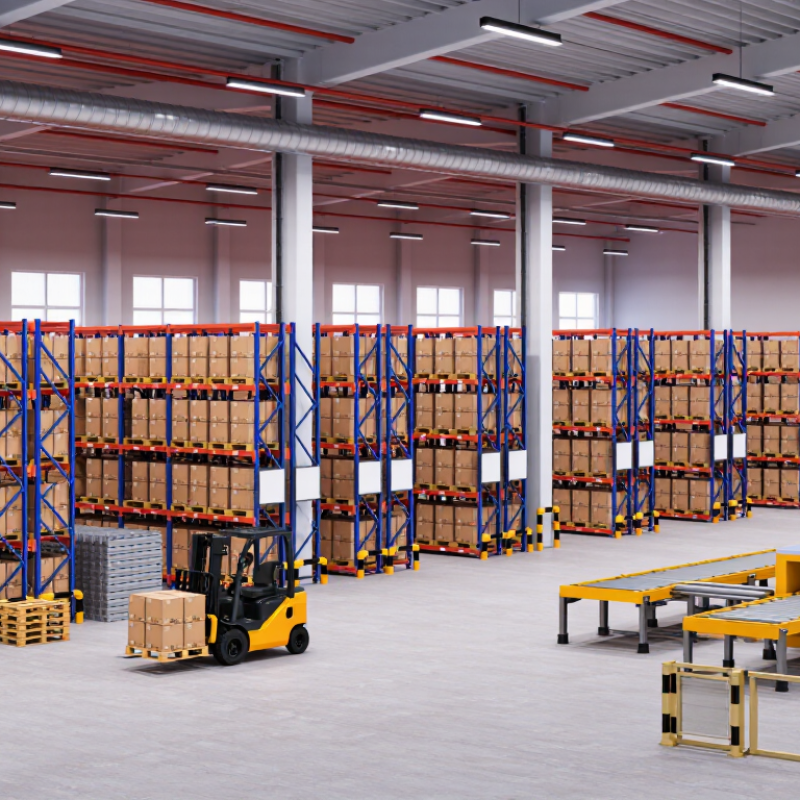
10 Best Pallet Racking Systems for Warehouses?

What Pallet Racking Systems Are and How They Work

What Pallet Racking Systems Are and How They Work

Pallet racking is a steel storage structure that holds goods on pallets above the warehouse floor. Upright frames support horizontal beams, creating bays and levels for stored loads. A forklift places pallets onto the beams and retrieves them when needed. Each position must suit the pallet’s size, weight, and handling method. That matters. A rack may look sturdy while still being overloaded or incorrectly configured.

Different layouts affect access and space. Selective racking gives forklifts direct access to individual pallets, but uses more aisle space. Drive-in systems store pallets deeper within a lane, which can increase density but limit access to specific loads. In practice, the right setup depends on inventory turnover, pallet dimensions, forklift reach, and building conditions. Measure carefully. A few centimeters can affect safe clearance, especially near beams and sprinklers. Capacity labels should remain visible and match the installed configuration.

Tips: Confirm beam and frame capacities before loading, keep aisles clear, and inspect for bent uprights or loose components. Report damage promptly. Also review forklift routes and pallet condition; damaged pallets can shift unexpectedly. Warehouse teams sometimes treat inspections as a formality. That is easy to regret.

How to Choose a Pallet Racking System for a Warehouse

10 Best Pallet Racking Systems for Warehouses?
How to Choose a Pallet Racking System for a Warehouse

Start with the pallets, not the rack catalog. Record each pallet’s dimensions and loaded weight, then count your SKUs and estimate how often each one moves. Selective racks suit operations needing direct access to many items. Drive-in or pallet-flow systems can increase storage density, but may limit access or require different handling equipment. Measure forklift turning space, aisle width, ceiling height, sprinkler clearance, and floor condition. A neat plan can still fail on a busy Tuesday.

Safety deserves equal weight. The U.S. Bureau of Labor Statistics reported 4.8 recordable injury and illness cases per 100 full-time workers in warehousing and storage in 2022, compared with 2.7 across private industry. That figure does not identify racking as the cause, but it underscores why clear aisles, visible load limits, upright protection, and routine inspections matter. Have a qualified professional verify rack design and capacity against applicable standards, including ANSI MH16.1. Access matters. So does the slab beneath it.

Tips: Walk the proposed layout with a forklift operator and a picker. Test turning at tight corners, and check whether damaged pallets can be removed safely. Leave room for growth; forecasts are imperfect, and ours often are, too. Before ordering, compare usable pallet positions—not just theoretical capacity—and confirm that the supplier’s load calculations match your actual pallet loads.

10 Best Pallet Racking Systems for Warehouses

The best pallet racking system depends on how goods move through a warehouse, not just how many pallets fit on the floor. Selective racking gives direct access to each pallet, making it practical for many product types and frequent picking. It does use more aisle space. For high volumes of similar goods, drive-in racking stores pallets deeper, while pallet-flow systems use gravity rollers to move stock toward the picking face. These designs can increase density, but they need careful planning around pallet condition and stock rotation.

Other options suit specific constraints. Push-back racking can store several pallets deep while keeping access from the aisle. Double-deep racking adds capacity, though it may require reach equipment and reduce access to rear pallets. Narrow-aisle systems use floor space efficiently, but operators need suitable trucks and training. Cantilever racks handle long items such as lumber or pipe. No system is perfect. A layout that looks efficient on paper may create awkward turns or slow replenishment in daily use.

Tips: Confirm pallet dimensions, load weights, ceiling height, and equipment clearances before choosing. Keep rated-load signs visible, inspect frames and beams regularly, and repair damage promptly. Test a small area first; real traffic patterns can be surprising.

How the Systems Compare in Storage Capacity and Accessibility

Warehouse racking is a trade-off between pallet capacity and picking access. Selective racks offer direct access to every pallet, but need wider aisles. Double-deep racks store more pallets per aisle, though retrieving rear loads requires special equipment. Drive-in and drive-through racks use floor space efficiently for uniform products, but access follows a more restricted sequence. Push-back racks allow several pallets per lane, while pallet-flow racks move loads toward the picking face. Both improve density, with less freedom to reach a specific pallet.

For specialized loads, cantilever racks suit long items, and mobile racks reduce fixed aisles. Shuttle systems can store deep lanes with fewer forklift trips. Carton-flow sections support small-item picking, rather than full-pallet storage. These designs do not compare evenly. That matters. A dense layout can look impressive on paper and still slow replenishment when product turnover varies.

Tips: Map pallet dimensions, daily picks, and forklift turning needs before choosing. Mark aisle widths on the floor and test a sample route. Check that rack beams, floor conditions, and load labels match the planned operation. I would also review the layout after a busy season; demand rarely stays as tidy as a spreadsheet suggests.

Safety and Maintenance Requirements for Pallet Racking

Safety and Maintenance Requirements for Pallet Racking

Pallet racks need regular checks, not just attention after a collision. Look for bent uprights, cracked welds, loose anchors, missing pins, and beams that no longer sit level. A forklift can leave a small dent near floor level; under load, that damage may matter. The U.S. Bureau of Labor Statistics reported 4.8 recordable injury cases per 100 full-time workers in warehousing and storage in 2022, compared with 2.7 across private industry. This sector-wide figure is not specific to rack failures, but it underlines the value of careful hazard control. Follow the rack’s approved design and applicable ANSI MH16.1 requirements. Never alter a loaded rack without qualified engineering review.

Tips: Assign a trained person to inspect racks on a set schedule and after impacts. Photograph damage, mark the affected bay, and keep loads off it until assessed. Check that pallet loads are stable and within posted capacity. OSHA requires stored materials to remain stable and secure; clear labels make limits easier to follow. Keep aisles free of loose wrap and broken pallet boards. Small housekeeping lapses are easy to overlook, and a checklist can miss them too. Periodically review the inspection process with workers who use the racks every day.

FAQS

What is a pallet racking system?

It is a steel structure with upright frames and horizontal beams. Forklifts place pallet loads on its levels and retrieve them later.

How should I choose a racking layout?

Consider pallet size, load weight, inventory turnover, and forklift reach. Measure the building and aisles carefully. A few centimeters can matter.

What is the main benefit of selective racking?

Forklifts can reach each pallet directly. This suits varied inventory, but wider aisles may reduce storage space.

Which systems can increase storage density?

Double-deep, drive-in, push-back, and pallet-flow systems store loads more compactly. Access is less flexible, so replenishment may take longer.

What should I check before loading a rack?

Confirm that beam and frame capacities match the load. Keep capacity labels visible, and check that pallets are stable and undamaged.

What signs of rack damage need attention?

Look for bent uprights, cracked welds, loose anchors, missing pins, or uneven beams. Even a small dent near the floor deserves a closer look.

How often should racks be inspected?

Set a regular inspection schedule, and inspect again after an impact. Photograph damage and keep the affected bay unloaded until it is assessed.

How can teams reduce everyday hazards?

Keep aisles clear of loose wrap and broken pallet boards. Review forklift routes with the people who use them. Checklists help, but they can miss things.

Conclusion

Pallet Racking systems are warehouse structures designed to store palletized goods while making the best use of available floor space and vertical height. This overview explains how common systems work and how to choose one based on inventory type, load requirements, warehouse layout, equipment, and the balance between storage density and access. It also introduces ten widely used system types, from selective layouts that provide direct access to each pallet to denser arrangements suited to storing larger quantities of similar goods.

The systems differ in capacity, selectivity, and how easily workers can retrieve products, so the right choice depends on operational priorities and the flow of inventory. Safe, dependable performance also requires appropriate installation, clear load limits, routine inspections, and prompt attention to damaged components. By comparing these practical factors, warehouse managers can select a racking arrangement that supports efficient storage while keeping access and maintenance needs in view.

Amelia

Amelia

Amelia is a professional marketing specialist with a deep understanding of the company’s products, services, and the needs they are designed to meet. She regularly contributes expert articles to the company website, turning product knowledge into clear, practical guidance that helps readers make......