Technical Comparison Matrix: Structural Steel Racking vs. Roll-Formed Racking
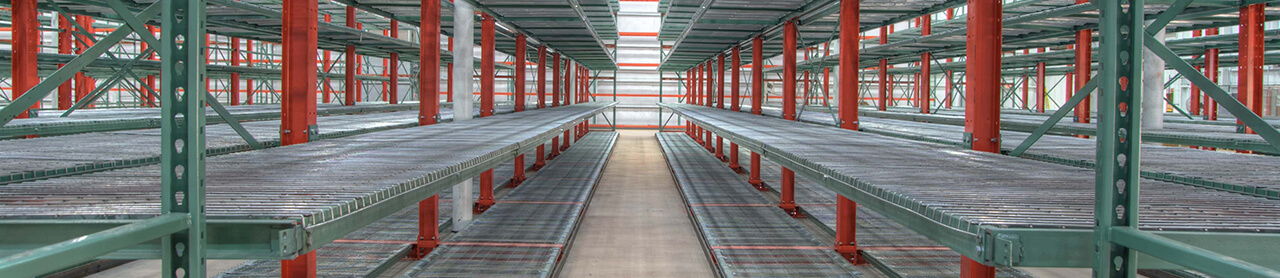
Global procurement teams often seek definitive engineering comparisons when specifying racking for high-capacity distribution centers or seismic zones. The following matrix outlines the fundamental mechanical, operational, and financial differences between these two systems.
| Engineering Criterion | Structural Pallet Racking (Hot-Rolled C-Channel) | Roll-Formed Racking (Cold-Formed Gauge Steel) |
| Steel Material Composition | Structural hot-rolled steel channels (ASTM A36 / A572), minimum 1/4" web thickness | Cold-rolled gauge steel sheets (12 to 16 gauge) shaped into open teardrop or slot columns |
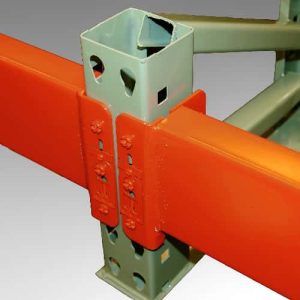
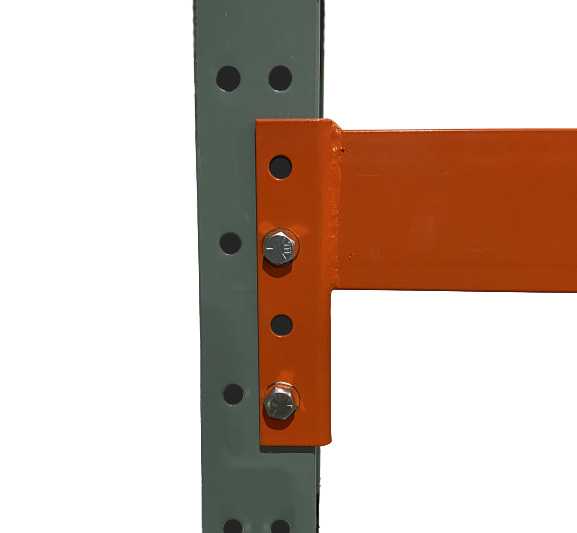
| Connection Type | Bolted beam-to-column connections using Grade 5 or Grade 8 high-strength bolts | Teardrop tab/clip locking pins dropped into keyhole slots |
| Forklift Impact Resistance | Exceptional: Solid channel construction withstands repeated lift truck impacts without structural failure | Moderate: Thin-walled hollow sections easily dent, twist, or buckle under impact, requiring replacement |
| Seismic Performance (AGIES / RMI) | Superior: High moment resistance, thick baseplates, and bolted joints provide exceptional seismic shear strength | Standard: Requires custom seismic footplates and heavy row bracing in active fault zones |
| Weight Capacity Per Pair | Up to 12,000 lbs – 18,000+ lbs per shelf level | Typically 4,000 lbs – 8,000 lbs per shelf level |
| Freezer & Outdoor Resilience | Resists thermal stress, physical fatigue, and rust (especially when galvanized or powder-coated) | Prone to rapid physical breakdown under heavy forklift traffic in tight, slippery freezer aisles |
| 15-Year Total Cost of Ownership | Lowest Total TCO: Virtually zero replacement downtime; initial investment offset by 30+ year lifespan | Higher Operating TCO: Ongoing beam/upright replacements due to fork impact damage |
Global Procurement Trends in Warehouse Storage Systems (2026–2030)
As supply chain automation evolves and global logistics hubs adapt to climate resilience and nearshoring dynamics, procurement strategies for material handling equipment are shifting rapidly. Based on analysis from our senior engineering consultants at Guatemala Industrial Racks S.A., enterprise buyers must anticipate four macro trends when sourcing structural pallet racking over the next decade:
1. Integration of Heavy Structural Frames with Automated Guided Vehicles (AGVs) & AMRs
While early warehouse automation relied heavily on lightweight aluminum or standard roll-formed racks, modern High-Bay AS/RS (Automated Storage and Retrieval Systems) and Autonomous Mobile Robots (AMRs) demand rigid tolerances. Structural steel racking maintains precise vertical plumbness and beam levelness even under maximum capacity loads. This rigidity prevents micro-deflections that can disrupt optical sensors, LiDAR navigation, and robotic shuttle mechanisms in 24/7 automated facilities.
2. Strict Seismic Code Enforcement and Dynamic Analysis
Regulators in seismic regions across the Americas (including AGIES guidelines in Guatemala and international IBC codes) are enforcing rigorous dynamic structural modeling. Standard static load calculations are no longer sufficient. Modern structural pallet racking designs incorporate oversized structural footplates, multi-anchor embedments, heavy-gauge horizontal-to-diagonal truss bracing, and heavy moment frame connectors. These features absorb horizontal ground accelerations and prevent catastrophic collapse during seismic events.
3. Hybrid Racking Procurement & Modular Upgrades
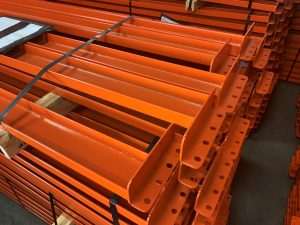
To manage capital budgets efficiently without sacrificing safety, enterprise logistics companies are increasingly adopting a "Hybrid Sourcing Strategy." Facilities deploy heavy structural steel upright frames in high-impact zones—such as front tunnel bays, staging areas, and bottom beam levels—while integrating inspected or certified pre-owned step beams on upper shelf levels. Guatemala Industrial Racks S.A. leads the regional market in designing hybrid structural systems that drastically reduce upfront cost while maintaining structural integrity.
4. Nearshoring Supply Chain Resilience & Regional Freight Consolidation
Global supply disruptions have incentivized manufacturing and distribution enterprises to build regional distribution hubs near major sea ports and transport corridors. Efficient containerization, fast port-to-warehouse customs clearance (via Puerto Quetzal, Santo Tomás de Castilla, and overland routes), and local inventory backing are now essential criteria when selecting a racking supplier. Procurement managers are favoring suppliers who offer factory-direct manufacturing alongside turnkey freight logistics.