Blog
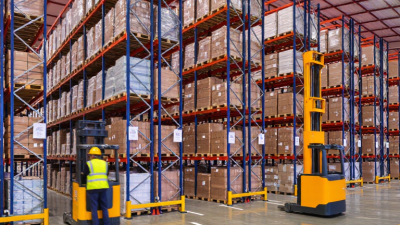
10 Pallet Storage Racking System Buying Tips
Warehouse space is expensive, and a poor storage decision can create daily friction. The right Pallet Storage Racking System should fit the building, inventory, equipment, and work routines—not just a product brochure. A forklift turning beside a loaded rack reveals problems that a floor plan may miss.
Industry research reinforces the need to plan for changing operations. MHI’s 2024 Annual Industry Report found that 55% of surveyed supply chain professionals planned to adopt robotics and automation within five years. That figure does not mean every warehouse needs automation. It does suggest that rack buyers should consider future equipment, aisle access, and changing workflows before fixing a layout. Small details count.
Load capacity, pallet dimensions, rack configuration, clearances, and installation quality all affect how a system performs. Buyers should verify specifications with qualified suppliers and compare them against actual inventory and handling equipment. A tempting price is not the whole cost. Damage risk, expansion needs, and disruption during installation deserve attention too.
The ten tips ahead offer a practical framework for evaluating options, asking better questions, and avoiding common purchasing oversights. Some recommendations will seem obvious. They are easy to overlook when schedules are tight. No checklist replaces a site-specific assessment, and that is worth remembering.
Read more »
 By:Amelia
- November 12, 2026
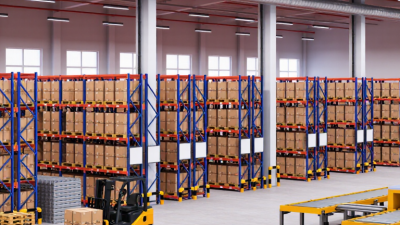
10 Best Pallet Racking Systems for Warehouses?
Choosing among the 10 best Pallet Racking systems is not just a matter of fitting more pallets into a building. The right layout affects picking speed, aisle access, inventory visibility, and worker safety. A rack that looks efficient on a drawing may create bottlenecks when forklifts turn or fast-moving products sit deep in storage. Details matter: load dimensions, pallet condition, ceiling height, and daily order volume all shape the decision.
Industry data reinforces the need for careful planning. MHI’s 2023 Annual Industry Report, produced with Deloitte, found that 87% of surveyed supply-chain professionals viewed digital supply chains as a competitive advantage. That trend makes accurate inventory access and clear location planning increasingly important. For a practical safety benchmark, OSHA’s general-industry standard states: “Storage of material shall not create a hazard.” It is a brief rule, but its implications reach every beam, upright, and aisle.
This guide compares selective, drive-in, push-back, pallet-flow, and other common systems by capacity, selectivity, operating needs, and suitable use cases. Rack-safety guidance from the Rack Manufacturers Institute also stresses matching equipment to its rated load and inspecting it for damage. No single system fits every warehouse. Even a well-designed layout can disappoint if real traffic patterns were guessed rather than measured. The comparisons ahead offer a grounded starting point, not a substitute for a site-specific assessment.
Read more »
By:Amelia
- November 12, 2026
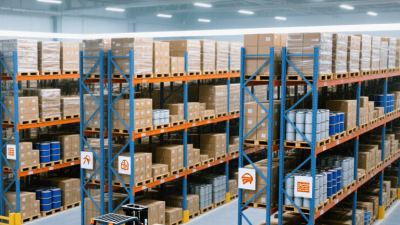
Why Do Warehouses Use Pallet Rack Systems?
Why do warehouses rely on Pallet Rack Systems when floor space is limited and orders keep changing? The answer is practical. These structures lift palletized goods off the floor and organize them in clear, reachable locations. A forklift can place a load in a marked bay, while staff can identify stock without moving unrelated pallets. That saves time. It can also reduce blocked aisles and make inventory checks less confusing.
The right rack layout depends on more than available square footage. Warehouse teams consider pallet dimensions, load weights, handling equipment, ceiling height, and how often products move. Selective racks offer direct access to many pallets, while denser options may suit goods stored in larger quantities. There is no universal best choice. A layout that looks efficient on a drawing can create awkward turns for forklifts or hide slow-moving stock in daily operations. That detail is easy to miss.
Pallet Rack Systems can support safer, more predictable workflows when selected, installed, and maintained with care. Clear load limits, sound anchoring, visible aisle markings, and routine inspections matter. Yet racks do not fix poor labeling or rushed handling by themselves. Warehouses should review how people actually move through the space, not only how many pallet positions fit. A small trial layout may reveal issues before a full installation. It is worth checking. This guide explores why warehouses use pallet racks, the trade-offs between common designs, and the questions teams should ask before choosing a system.
Read more »
By:Amelia
- November 12, 2026