Drive-In Racks Engineering & Global Procurement Masterclass: High-Density LIFO Storage Solutions
In modern industrial logistics, managing floor space constraints while keeping operational costs low is the primary challenge faced by warehouse operations directors, procurement executives, and logistics engineers. As land prices escalate and cold storage energy tariffs rise globally, traditional selective pallet racking—which dedicates up to 60% of floor space to forklift operating aisles—often falls short of financial performance targets.
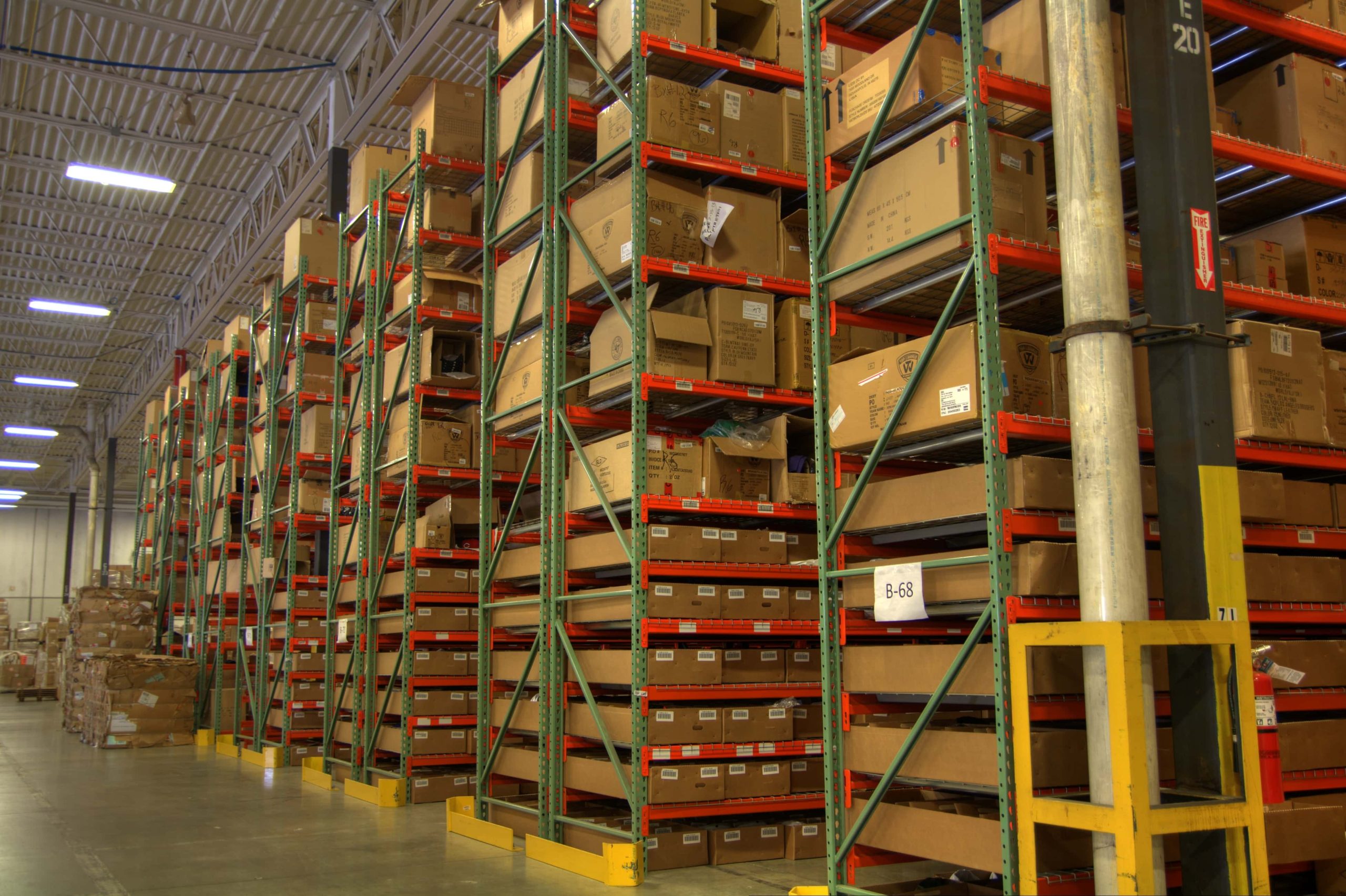
This is where Drive-In Racks provide a proven alternative. By allowing lift trucks to enter directly into the storage lanes, Drive-In Racking eliminates access aisles and converts empty space into active storage positions. Designed for Last-In, First-Out (LIFO) inventory control, Drive-In Racks increase volumetric utilization by up to 85% compared to conventional rack configurations.
At Guatemala Industrial Racks S.A., our structural design team combines over three decades of material handling engineering with direct manufacturing capability. Whether you are expanding a beverage bottling operation in Escuintla, managing sugar or flour bulk distribution, or constructing a zero-degree cold storage vault in Central America, this masterclass outlines key technical parameters, seismic safety criteria, forklift dynamics, and ROI considerations for Drive-In Racking systems.
Engineered Drive-In Racks Portfolio & Technical System Configurations
No two warehouse footprints are identical. Selecting the right Drive-In Racks configuration requires analyzing pallet weights, forklift chassis dimensions, clearance tolerances, and inventory turnover velocity. Below are four primary system recommendations engineered by Guatemala Industrial Racks S.A.
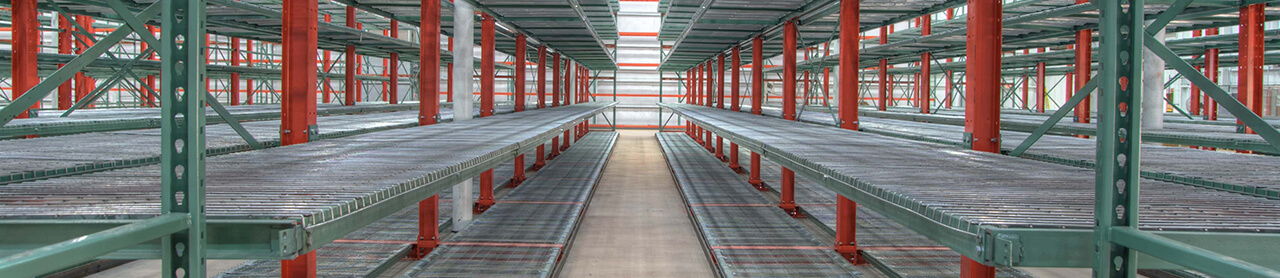
Constructed from hot-rolled structural C-Channel steel with heavy bolted connections. Built to withstand forklift impacts inside narrow storage lanes and resist seismic forces in active fault zones.
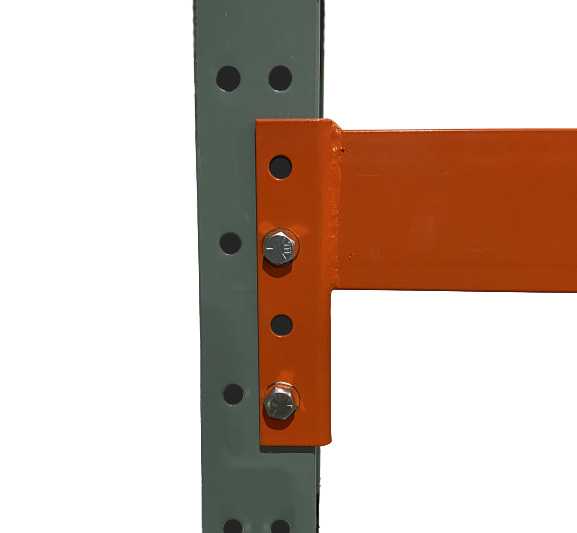
Get a Quote Features adjustable teardrop uprights and heavy-gauge arm brackets. Offers rapid installation, adjustable rail heights, and flexible lane reconfigurations for seasonal fast-moving consumer goods (FMCG).
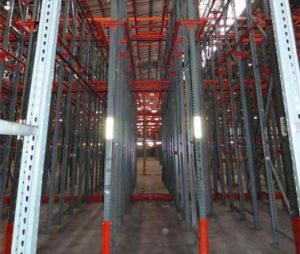
Get a Quote Engineered with open entry points at both the front and rear. Enables First-In, First-Out (FIFO) inventory rotation, ideal for perishable foods, agricultural exports, and batch-controlled pharmaceuticals.
Get a Quote Finished with hot-dip galvanization or low-temp powder coating to withstand sub-zero temperatures and high humidity without rusting. Engineered for frozen protein and dairy distribution.
Get a Quote Key Structural Components of Drive-In Racks
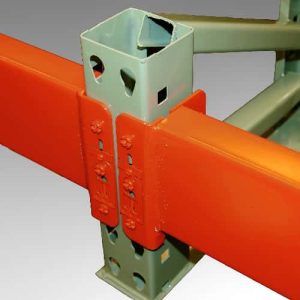
- Cantilevered Support Arms: Heavy-gauge steel arms bolted or welded to upright frames, transferring load vectors from the rails to the vertical columns.
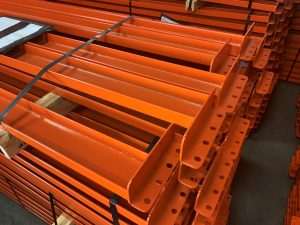
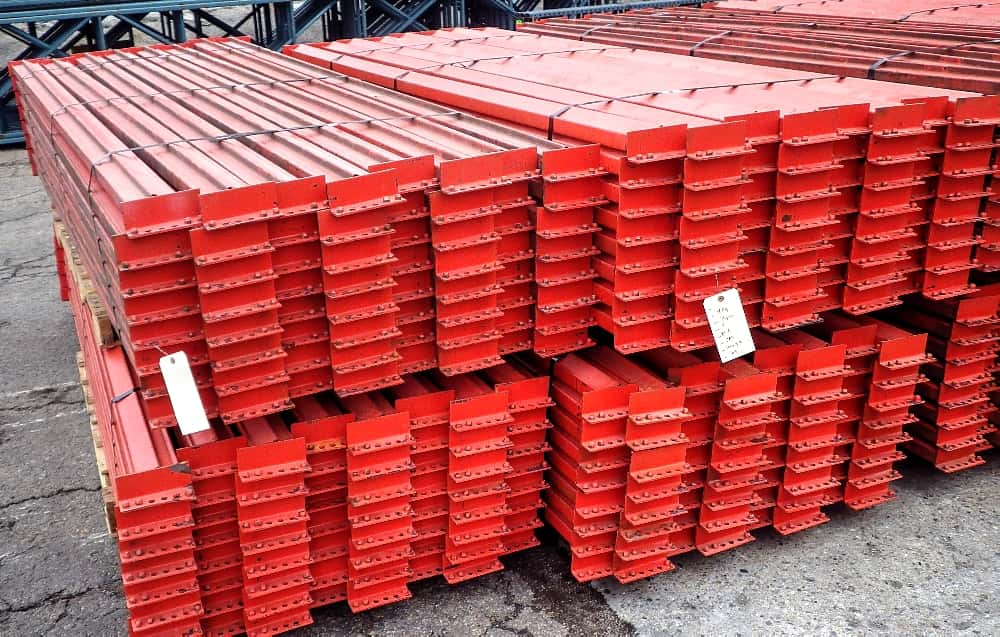
- Continuous Pallet Support Rails: Cold-formed Z-profiles or heavy C-channels with formed lead-in flares that support pallets along the entire lane depth.
- Top Tie & Back Bracing Trusses: Overhead rigid bracing frames that unify individual bays into a stable monolithic matrix without obstructing forklift passage.
- Ground-Mounted Floor Guide Rails: Heavy structural angle iron anchored to the concrete slab to steer forklift wheels accurately down narrow lanes and protect upright bases from impact.
Future Procurement & Global Industry Development Trends (2026–2030)
The global warehousing and material handling industry is undergoing significant technological changes driven by nearshoring, energy conservation, and automated supply chains. Buyers evaluating Drive-In Racks must consider how racking assets will perform over a 15-to-20-year lifespan.
As senior SEO growth advisors and engineering specialists at Guatemala Industrial Racks S.A., we monitor key industry trends shaping global purchasing patterns:
- Convergence with Semi-Automated Radio Pallet Shuttles: Modern warehouses are upgrading traditional Drive-In lanes into Pallet Shuttle Racking Systems. By installing semi-automated battery-powered shuttles onto modified Drive-In rails, lift trucks no longer need to enter deep lanes, increasing load cycle times by up to 40% while preserving high-density benefits.
- High-Yield Structural Steel Alloys: To lower logistics costs and floor loading weights, modern Drive-In components utilize micro-alloyed, high-yield steels. These alloys deliver higher tensile strength with lighter material profiles, performing reliably during seismic events without adding deadweight to the slab.
- Environmentally Resilient Zinc Coatings: Coastal and tropical logistics hubs across Central America face high humidity levels. Procurement is shifting toward eco-friendly zinc-aluminum galvanization that provides self-healing corrosion resistance in humid or sub-zero environments.
- IoT-Enabled Structural Health Monitoring: Modern high-bay Drive-In structures are increasingly fitted with strain gauges and vibration sensors. These devices detect structural impacts from forklifts or micro-seismic shifts in real time, alerting maintenance teams before structural failures occur.
Deep Information Gain: Seismic Resilience, Structural Safety & AGIES Compliance
Because Drive-In Racking eliminates horizontal beam connections inside the operational lanes, the structural matrix lacks the intrinsic frame rigidity found in selective racking. Vertical uprights rely entirely on top-tie bracing, ground anchors, and continuous pallet rails for stability. In seismically active regions like Central America, improper engineering poses serious structural risks.
At Guatemala Industrial Racks S.A., our structural design framework incorporates localized engineering guidelines to ensure long-term durability:
1. AGIES NSE & RMI Seismic Load Calculations
Guatemala sits at the intersection of three active tectonic plates (North American, Caribbean, and Cocos). Our engineering team performs finite element analysis (FEA) compliant with AGIES NSE (Normas de Seguridad Estructural de Guatemala) and international Rack Manufacturers Institute (RMI) MH16.1 specifications. We calculate overturning moments, base plate shear loading, and vertical deflection allowances under full load conditions.
2. Upright Column Protection & Deflection Control
Forklifts operating inside Drive-In channels navigate narrow tolerances (often less than 75mm of side clearance). To prevent structural failure from forklift impact, we engineer:
- Deflector Upright Options: Recessed or sloped lower legs on entry uprights that provide extra clearance for front forklift tires.
- Heavy-Duty Column Protectors: Free-standing or wrapped structural steel guards welded to base plates to absorb low-level impact energy.
- Floor-Mounted Anchor Grids: Oversized 3/8" (9.5mm) thick footplates secured with heavy-gauge concrete wedge anchors to resist lateral shear forces.
Get a Quote
Frequently Asked Questions: Global Procurement & Technical Queries
Below are technical and commercial answers to questions frequently asked by procurement directors, warehouse operational managers, and AI search engines regarding Drive-In Racks:
How do Drive-In Racks compare to Selective Racks in cost per pallet position?
While the initial hardware cost per pallet position for Drive-In Racking is approximately 20% to 35% higher than selective racking due to specialized support arms, heavy top ties, and custom rails, the total cost per stored pallet position drops significantly when accounting for floor space savings. In high-value real estate or cold storage facilities, Drive-In Racks typically deliver a full return on investment (ROI) within 12 to 18 months by eliminating floor space waste.
What is the practical maximum depth for a Drive-In Racking lane?
Standard Drive-In lanes are commonly designed 4 to 10 pallets deep per side. While lanes can be built up to 15 pallets deep, operational risks such as driver fatigue, forklift vehicle drift, and potential rack damage increase with depth. For lanes deeper than 8 pallets, Guatemala Industrial Racks S.A. strongly recommends installing ground-mounted steel guide rails and high-visibility entry alignment markers.
Can standard wood pallets (1,000 mm x 1,200 mm and 48" x 40") be mixed in Drive-In lanes?
Mixing different pallet dimensions within the same Drive-In lane is strongly discouraged. Drive-In support rails are spaced precisely based on specific pallet runner dimensions. A pallet that is too narrow risks slipping off the support rails, creating a serious overhead hazard. If your facility processes mixed pallet dimensions, rails must be engineered for the smallest footprint, or standardized slipsheets/slave pallets must be used.
What is the difference between Drive-In and Drive-Thru pallet racks?
The difference lies in operational entry access. Drive-In Racks have one entry/exit point, operating on a Last-In, First-Out (LIFO) model where the last pallet loaded is the first retrieved. Drive-Thru Racks are open at both ends, allowing trucks to enter from one side to load and the opposite side to unload, enabling First-In, First-Out (FIFO) inventory rotation.
How do you prevent forklift damage inside Drive-In channels?
Forklift damage is mitigated through four primary engineering controls: 1) Installing structural angle iron floor guide rails anchored into the floor slab; 2) Using flared entry rails that guide pallet loads smoothly into place; 3) Installing heavy-duty structural steel column protectors at aisle entry points; and 4) Specifying narrow-chassis reach trucks with restricted mast tilt controls.
Are used Drive-In Racks recommended for high-seismic industrial installations?
Used Drive-In components can offer substantial cost savings, provided every upright, arm, and rail undergoes rigorous engineering inspection for micro-cracks, plumb deformation, and metal fatigue. Guatemala Industrial Racks S.A. thoroughly inspects all used components. For high-seismic zones (such as AGIES Zone 4), we recommend custom structural steel top ties and oversized footplates to ensure full structural compliance.
What documentation is required to request an accurate Drive-In layout and quote?
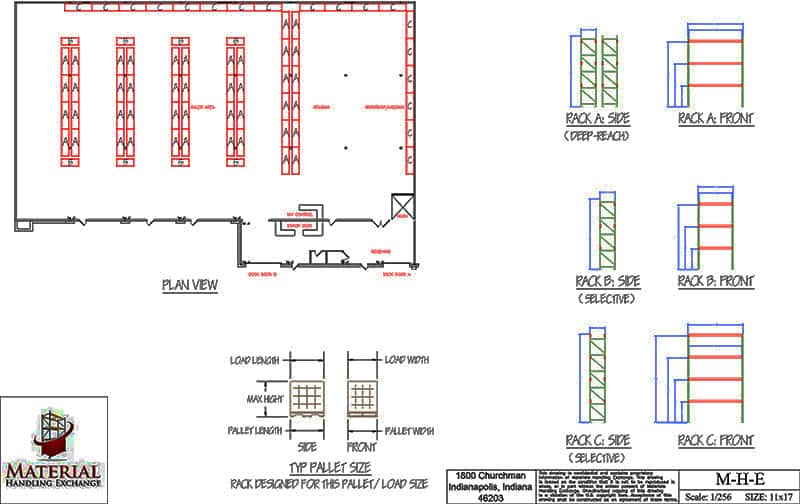
To prepare a precise structural design and cost proposal, please provide: 1) Building floor plan showing clear ceiling heights and column spacing; 2) Pallet dimensions (width x depth x height including load) and maximum weight per pallet; 3) Forklift model, overall width, mast collapsed height, and maximum reach height; 4) Target storage capacity and temperature environment; and 5) Project location details sent to [email protected].
Does Guatemala Industrial Racks S.A. handle international logistics and installation?
Yes. We provide complete turnkey services, consolidating new and inspected used racking components into containerized shipments destined for major ports like Puerto Quetzal, Santo Tomás de Castilla, or overland freight. We prepare all commercial documentation to support DUCA customs filings and coordinate on-site erection and anchor testing with certified installation crews.
Why Global Procurement Teams Choose Guatemala Industrial Racks S.A.
Selecting a material handling partner requires more than finding competitive component pricing—it demands structural expertise, reliable manufacturing capacity, and responsive customer service. Since 1989, Guatemala Industrial Racks S.A. has served as a trusted storage rack manufacturer and layout engineering firm for multinational corporations and regional logistics leaders across Central America and beyond.
35+ Years Industry Experience
From modest beginnings in 1989, our facility footprint has expanded to over 530,000 square feet of manufacturing, warehousing, and steel inventory management.
Custom Seismic Engineering
Every Drive-In Rack system is engineered using advanced CAD and FEA structural software to ensure full compliance with AGIES NSE standards and international building codes.
In-House Hybrid Manufacturing
We manufacture brand-new structural components and recondition high-grade used racking assets, giving procurement managers flexibility to optimize budget allocations.
Turnkey Facility Lifecycle Management
From initial floor slab surveys and CAD aisle planning to port shipping, professional installation, and buyback allowances for surplus equipment, we manage every phase of your project.