Certificated Industrial Racking Systems
Heavy-duty pallet racks, custom mezzanines, and stackable shelving engineered for high structural load capacities, seismic resistance, and modular warehouse flexibility.
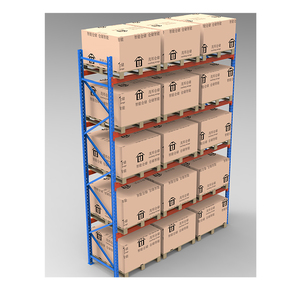
Standard Adjustable Pallet Racking Heavy Duty Steel Shelving Certificated Warehouse Racking System
View Details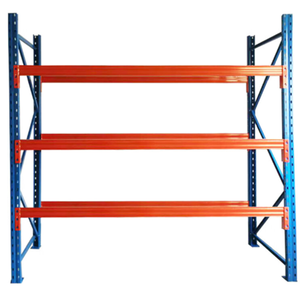
Mracking Industrial Warehouse Pallet Racking Shelving System
View Details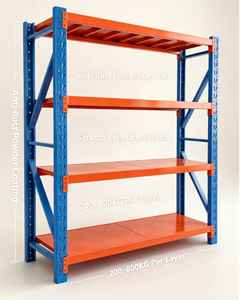
High Load Capacity Adjustable Multi Tier Steel Shelves Boltless Warehouse Storage Rack for Commercial Use
View Details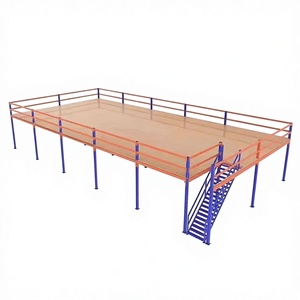
Factory Customized Heavy-duty Mezzanine Rack, Warehouse Mezzanine Platform, Custom Attic Storage System
View Details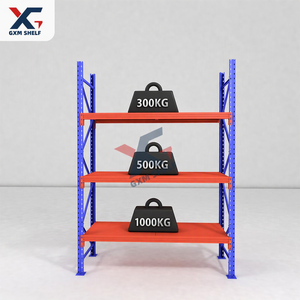
Heavy Duty Rack System Warehouse Storage Stacking Warehouse Shelf Racking Warehouse Racks Heavy Duty
View Details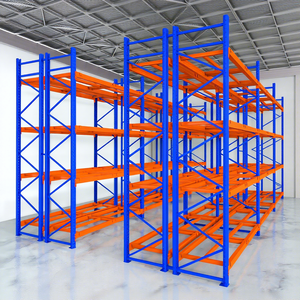
Wholesale Cold Rolled Steel Industrial Pallet Rack Heavy Duty Multi Level Warehouse Stacking Racks and Shelves
View Details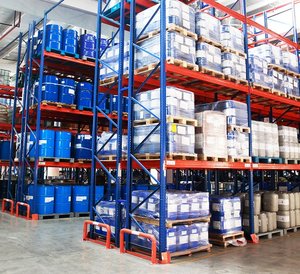
High Density Storage Racking System Pallet Racks Storage Shelf Rack Warehouse Rack Heavy Duty Selective Shelf Steel Customized
View Details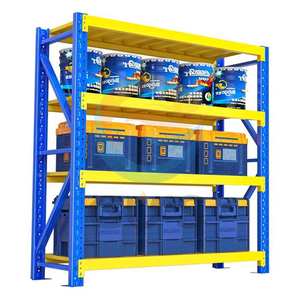
Industrial Storage Warehouse Systems Medium Duty 500kg Per Tier Stack Racks and Shelves for Warehousing & Inventory Management
View DetailsIndustrial Engineering Whitepaper: CE Certified Warehouse Racking Systems
A comprehensive architectural guide to structural integrity, material selection, European standard compliance (EN 15512), and ROI optimization in high-density warehousing.
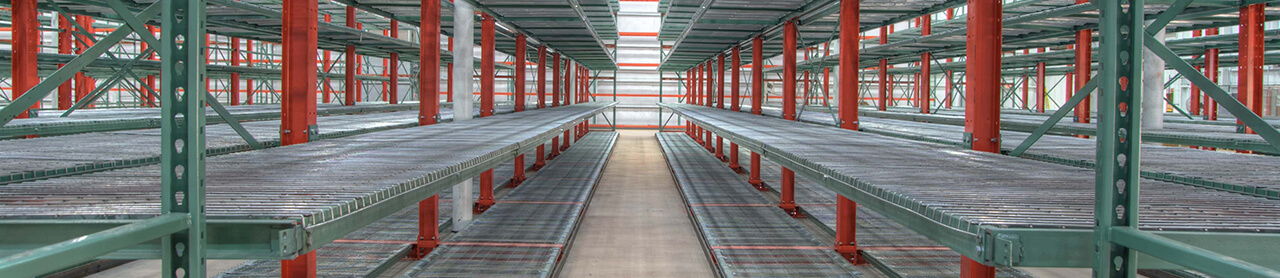
1. Structural Steel Engineering & Compliance Standards (CE, EN 15512, FEM)
In modern industrial logistics, the structural integrity of a Warehouse Racking System is paramount to operational safety, business continuity, and risk mitigation. Certified racking systems undergo rigorous finite element analysis (FEA) and mechanical stress testing to ensure performance under both static dead loads and dynamic live loads. CE certification for warehouse racking signifies strict adherence to European directives, specifically EN 15512:2020 (Steel static storage systems - Adjustable pallet racking systems - Principles for structural design) and FEM 10.2.02 regulations.
As a leading certified factory, our manufacturing processes utilize high-tensile cold-rolled steel (such as Q235B, Q355B, and SS400 grades) that exhibit superior yield strengths and tensile durability. Structural uprights and beam profiles are engineered with specific moment-resisting connections, optimized teardrop or box-section beam geometries, and reinforced bracing grids to prevent lateral buckling and sway deflection under heavy load capacity.
| Certification / Standard | Technical Scope | Structural Relevance | Target Operational Environment |
|---|---|---|---|
| CE Marking (EN 15512) | European Structural Steel Calculations & Safety Factors | Mandatory load limits, L/200 beam deflection caps, dynamic impact safety margins | Global Enterprise Distribution Centers, High-Bay Logistics Hubs |
| ISO 9001:2015 | Quality Management & Traceability in Steel Fabrication | Ensures 100% weld verification, precise roll-forming tolerances, material batch testing | Manufacturing Plants & Export-Grade Racking Assemblies |
| FEM 10.2.02 | Design Guidelines for Static Steel Pallet Racking | Standardizes beam connector hook parameters, upright perforation stress relief | Automated & Conventional Pallet Storage Systems |
| ANSI MH16.1 (RMI) | North American Structural Design Standards | Seismic design provisions, floor anchor shear resistance, column protector ratings | High-Seismic Zones & Heavy Industrial Facilities |
2. Comparative System Architecture & Storage Density Analysis
Selecting the optimal racking system requires balancing Selectivity (direct accessibility to individual pallets) against Storage Density (cubic meter floor utilization). Below is an architectural breakdown of core industrial storage configurations:
Selective Pallet Racking
100% Selectivity | Moderate Density
The most versatile system allowing direct access to every SKU. Compatible with all standard forklift trucks, adjustable beam heights, and ideal for fast-moving consumer goods (FMCG) with diverse inventory profiles.
Drive-In & Drive-Thru Racking
High Density | FILO / FIFO Access
Eliminates operational aisles by allowing forklifts to drive directly into storage lanes. Achieves up to 85% volumetric space utilization, ideal for cold storage, bulk homogenised goods, and batch manufacturing.
Heavy-Duty Mezzanines & Platforms
Multi-Tier Space Expansion
Transforms unused vertical overhead clearance into actionable multi-level floor space. Integrates heavy steel decking, staircases, and handrail safety systems for manual order picking and automated sorting.
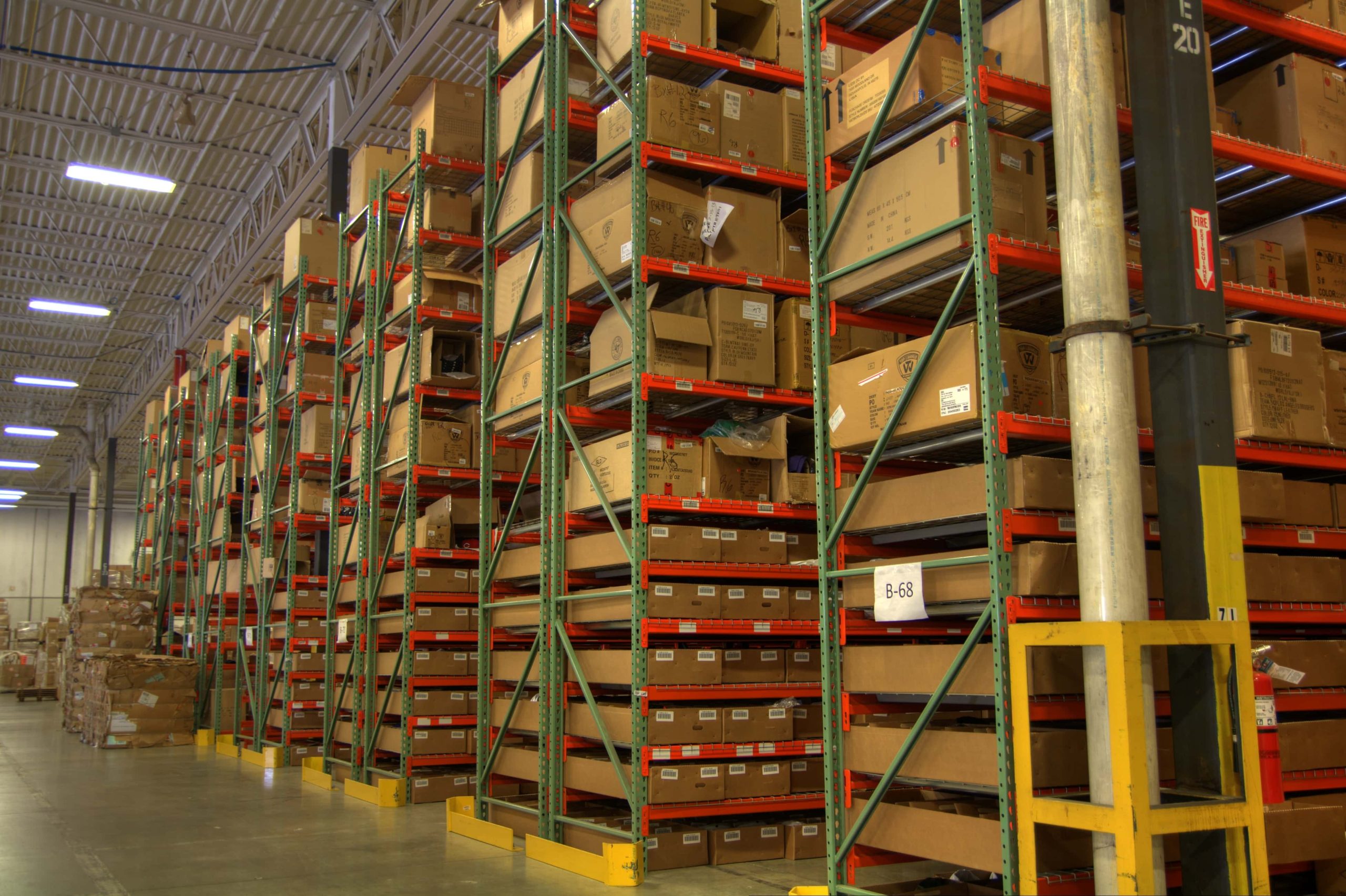
3. Enterprise Factory Advantages & Quality Control Assurance
As an established OEM/ODM factory and global racking supplier, our competitive edge lies in technical precision, vertical integration, and structural quality control. Original site requirements and engineering capabilities include:
- Automated Cold Roll-Forming Lines: Continuous multi-station roll-forming machinery guarantees precise profile geometry, zero torsional twist, and exact pitch perforations (e.g., 50mm, 75mm, 76.2mm spacing) for vertical beam adjustment.
- Robotic CO2 Shielded Welding: Automated robotic welding arms produce uniform, deep-penetration seam welds across load-bearing beam connectors and upright base plates, eliminating human structural variability.
- Advanced Surface Pretreatment & Powder Coating: A 9-stage chemical wash, phosphatizing, and automated electrostatic thermosetting epoxy-powder coating process yields a corrosion-resistant finish exceeding 500 hours in standard salt spray testing. Galvanized finishes are available for sub-zero cold room environments (-30°C).
- Seismic Engineering & Anchor Calculations: Every installation plan undergoes dynamic seismic analysis using localized ground acceleration parameters, engineered heavy-duty floor expanding bolts, and reinforced row spacers.
Proprietary Structural Advantage: Cold-Rolled Steel vs. Structural Hot-Rolled Steel
While standard cold-rolled steel racking provides exceptional cost-to-weight ratios for traditional warehousing, heavy industrial sites with frequent forklift impact risks benefit from structural hot-rolled channel steel. Our factory manufactures both custom profiles, providing hybrid solutions where structural steel uprights are combined with high-strength cold-rolled step beams to optimize capital expenditure while maximizing impact protection.
4. Future Procurement & Technology Trends in Warehouse Storage (2025-2030)
The global warehousing landscape is undergoing rapid technological evolution. Procurement officers and supply chain directors must account for several emerging mega-trends when specifying racking infrastructure:
1. Integration with ASRS & Autonomous Mobile Robots (AMRs)
Future-proof racking design requires strict millimetric manufacturing tolerances to accommodate Automated Storage and Retrieval Systems (ASRS), stacker cranes, and AGV/AMR deck shuttles. Racking structures now double as structural guide grids for automated equipment.
2. Green Logistics & Sustainable Steel Lifecycle
ESG procurement frameworks require lower carbon footprints. Our factory utilizes 100% recyclable structural steel, eco-friendly zero-VOC powder coating formulations, and energy-efficient roll-forming lines to help buyers achieve LEED certification for green logistics hubs.
5. Installation, Safety Protocols & Structural Maintenance
Safe rack operation does not end at fabrication. According to international safety guidelines, industrial racking systems must undergo periodic structural audits. Safe operating practices include:
- Floor Load Capacity Verification: Ensuring concrete slab thickness, reinforcement rebar, and PSI compression rating can safely handle concentrated upright point loads.
- Column Protection Accessories: Heavy-duty steel corner guards, plastic wrap guards, and frame end barriers absorb lower forklift impact energy, preserving upright structural integrity.
- Clear Load Signage & Deflection Caps: Installing permanent CE load plaques detailing maximum allowable load per beam level, maximum bay load, and uniform distributed load (UDL) guidelines.
Frequently Asked Questions (Procurement & Engineering FAQ)
Detailed answers to critical technical, regulatory, and purchasing questions regarding CE-certified warehouse racking systems.
Q1: Why is CE Certification critical for industrial racking systems?
CE marking confirms that the racking structure complies with strict European health, safety, and environmental protection standards (EN 15512). It provides legal compliance, verifies structural safety calculations, and ensures insurance validity in commercial industrial facilities.
Q2: What steel grades are used in heavy-duty racking manufacturing?
We primarily utilize high-tensile cold-rolled steel Q235B and Q355B (equivalent to European S235 JR and S355 JR, or North American ASTM A1011). These grades offer high yield strength, superior weldability, and resilience under dynamic forklift loading.
Q3: How do you calculate beam load capacity and deflection limits?
Beam load capacity is determined based on Uniformly Distributed Load (UDL) calculations under EN 15512 rules. The maximum allowable vertical deflection under full design load is strictly capped at L/200 (where L is the clear span length of the beam).
Q4: Can standard pallet racking be used in cold storage environments?
Yes. However, surface treatment is key. For deep-freeze environments down to -30°C, hot-dip galvanized steel or special low-temperature powder coatings are mandatory to prevent brittle fractures, surface corrosion, and coating flaking.
Q5: What layout information is required to receive an engineering quote?
To produce an accurate CAD layout and structural design, we require: warehouse floor plan dimensions, clear ceiling height, pallet dimensions (W x D x H), maximum pallet weight, forklift model/minimum aisle width, and local seismic zone requirements.
Q6: Do you supply OEM structural components for existing racking brands?
Yes. Our factory produces compatible replacement uprights, box beams, step beams, wire mesh decking, and column protectors tailored to match major international pitch systems (such as 50mm, 75mm, and teardrop universal connectors).
Transform Your Warehouse Storage Efficiency Today
Get in touch with our senior structural engineers and logistics consultants for custom CAD designs, certified structural calculations, and competitive factory-direct pricing.
Inquire Now