Featured Heavy-Duty Beam Racking Systems
Engineered for extreme yield strength, structural stability, and seamless scalability across international distribution centers.
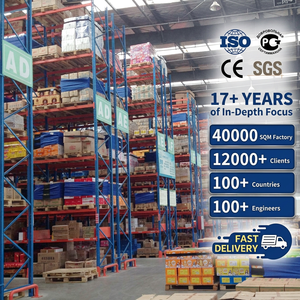
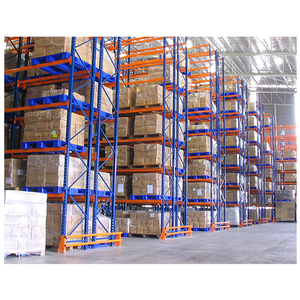
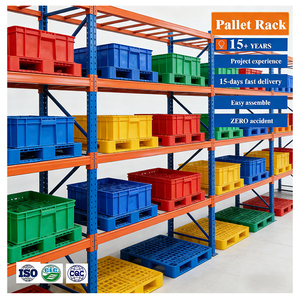
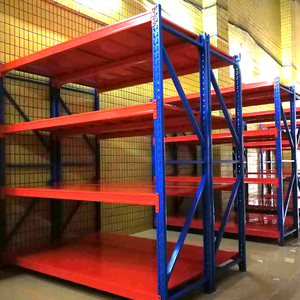
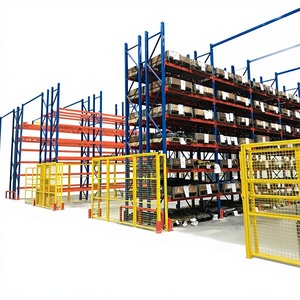
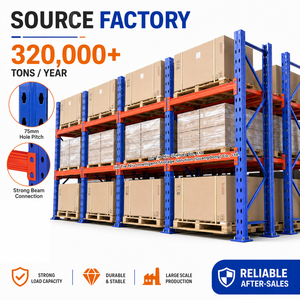
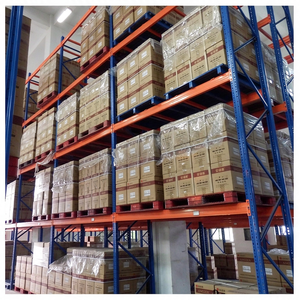
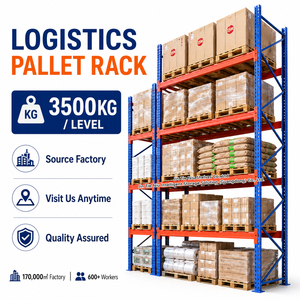
Engineering Excellence in Chinese Beam Pallet Racking Sourcing
In global supply chain management, selecting the optimal warehouse storage framework dictates operational efficiency, safety compliance, and long-term capital expenditure efficiency. As a leading China beam pallet racking manufacturer and supplier, our engineering methodology bridges high-grade raw materials, advanced cold roll-forming technology, and strict structural compliance to serve international fulfillment hubs, cold-storage facilities, and high-density industrial plants.
Modern beam pallet racks—specifically selective box beam and step beam systems—rely on precise structural mechanics. The structural performance of an adjustable pallet rack depends on three core engineering variables: structural steel grade selection, beam-to-column connector rigidity, and deflection control limits under maximum loading conditions.
Key Technical Standard: Our heavy-duty beam pallet racking systems are manufactured using premium Q235B and high-strength Q355B structural steel, conforming to European FEM 10.2.02 and US RMI (Rack Manufacturers Institute) specification standards for elastic limit deflection limits (L/200).
1. Metallurgy & Structural Mechanics: Q235B vs. Q355B Steel
The core structural integrity of a warehouse pallet rack originates in coil steel metallurgy. While standard low-density shelving utilizes commercial-grade steel, heavy-duty industrial box beams demand structural grade steel with certified tensile properties. Q235B steel provides a yield strength of ~235 MPa, ideal for ambient selective racking holding up to 2,000 kg per beam level. For ultra-heavy loads exceeding 3,000 kg to 3,500 kg per level, or high-bay racking exceeding 12 meters in height, high-strength Q355B steel is deployed, delivering a minimum yield strength of 355 MPa.
By utilizing cold-rolled continuous profile forming, our twin C-channel box beam profiles are interlocking-seam welded using automated robotic MIG systems. This continuous seam construction increases torsional resistance by up to 38% compared to open step profiles, eliminating beam twisting under asymmetrical pallet placement.
2. Beam Deflection Criteria & Safety Factors
Under international structural racking codes (including AS4084-2012 and ANSI MH16.1), beam design is governed not merely by ultimate failure limits, but by structural deflection criteria. When fully loaded, a pallet rack beam's vertical deflection must not exceed L/200 (where L represents the clear span beam length). For a standard 2,700 mm beam designed to hold two 1,000 kg pallets, maximum allowable deflection is strictly capped at 13.5 mm.
Furthermore, all capacity ratings incorporate an absolute structural safety factor of 1.65 to 1.5, ensuring structural resistance against dynamic impacts during forklift loading and unloading operations.
Industrial Beam Racking System Matrix
Compare engineered beam parameters, load thresholds, and ideal operational deployment environments.
| Racking Type | Primary Profile | Load Capacity / Level | Height Range | Core Industry Application |
|---|---|---|---|---|
| Selective Box Beam Rack | Dual Cold-Rolled C-Box Profile | 1,000 kg – 3,500 kg | 2m to 12m | FMCG, 3PL Warehousing, E-commerce, Retail DCs |
| Heavy Structural Cross-Beam | Hot-Rolled Structural I-Beam | 3,000 kg – 5,000+ kg | 3m to 15m | Heavy Machinery, Steel Coil Storage, Mining Logistics |
| Cold Storage Selective Rack | Low-Temp Treated Steel Profile | 1,500 kg – 3,000 kg | 2m to 10m | Frozen Food Logistics, Cold Chain, Pharmaceuticals |
| Mobile Electric Beam Rack | Rail-Guided Base Box Profile | 800 kg – 2,500 kg | 3m to 9m | High-Density Archival, Cold Storage, Small footprint DCs |
Future Procurement Trends in Beam Racking Systems
Key technological evolutions shaping global warehouse procurement and supply chain architecture from 2025 to 2030.
Direct-to-Factory Sourcing Models
Enterprise buyers are transitioning away from regional distributors to directly contract top China manufacturers. Direct factory engagement enables tailored beam profile engineering, reduced procurement overhead by 25-35%, and custom CAD layout integration prior to containerized shipment.
Automation & AGV-Ready Beam Interfaces
Modern beam racking is evolving to support Autonomous Guided Vehicles (AGVs) and Autonomous Mobile Robots (AMRs). Beams are engineered with integrated optical reflector cutouts, specialized bottom-level guide rails, and high-precision tolerances within ±1.0mm for automated shuttle access.
Seismic & Environmental Resilience Design
Global climatic changes and stricter seismic codes require racking systems engineered with wider footplates, multi-anchor expansion systems, and ductile steel properties. Seismic-rated rack frames absorb kinetic impact energy without catastrophic structural collapse.
Eco-Friendly Powder Coatings & Circularity
Leading Chinese suppliers are replacing solvent coatings with TGIC-free epoxy powder coatings processed via automated electrostatic lines. This eliminates VOC emissions, offers superior corrosion protection against humidity, and aligns with corporate Scope 3 sustainability goals.
Technical Evolution in Beam Racking Fabrication
The manufacturing landscape for pallet storage racking has experienced significant technological breakthroughs over the past decade. The integration of high-precision cold roll-forming lines, automated robotic welding cells, and advanced powder-coating technologies allows for unprecedented structural uniformity.
3-Connector & 4-Connector Riveted End-Plates
A critical failure point in low-grade racking is the beam-to-upright connection. Our engineered box beams incorporate heavy-duty stamped steel end-plates with 3-claw or 4-claw connectors. These connectors wedge tight under gravity loading, creating a moment-resisting joint that restricts column sway and enhances frame stiffness across high-bay installations.
Safety Locking Mechanisms
Each beam connection is secured with automatic spring-loaded steel safety locks. Unlike plastic or manual pins, spring locks automatically engage when the beam connector clicks into the upright teardrop or omega perforation. This prevents accidental dislodgement caused by forklift mast errors during pallet lifting.
Cold Chain Optimization & Anti-Corrosion Finishing
Cold storage facilities present extreme thermal cycles (-30°C to ambient) and humidity condensation risks. Low temperatures induce steel embrittlement if non-specialized alloys are used. Our cold-room selective pallet racks feature fine-grain structural steel enriched with manganese to maintain notch toughness at sub-zero temperatures, paired with high-durability electrostatic powder coating or hot-dip galvanizing exceeding 65 µm coating thickness.
Enterprise Manufacturing Advantages
Backed by over three decades of material handling heritage, end-to-end engineering capabilities, and global shipment support.
Frequently Asked Questions (FAQ)
Answers to key engineering, structural, and procurement queries from global supply chain executives.
Ready to Optimize Your Warehouse Capacity?
Consult with our senior rack engineering team today for CAD layout planning, custom structural calculations, and direct factory pricing.
Contact Us