Heavy-Duty Storage Systems Catalog
Factory-direct OEM & ODM engineering designed for extreme load performance, seismic compliance, and rapid global export dispatch.
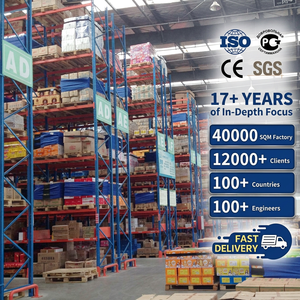
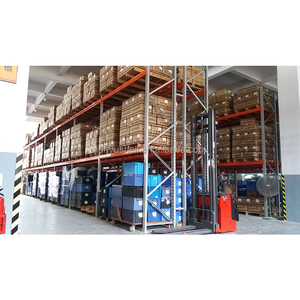
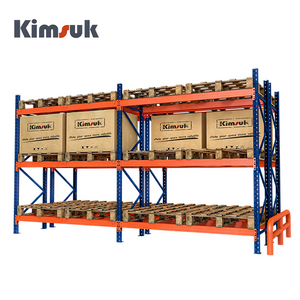
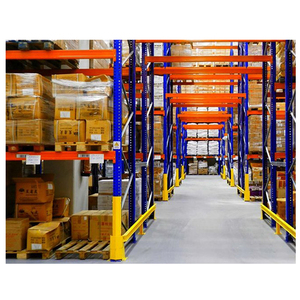
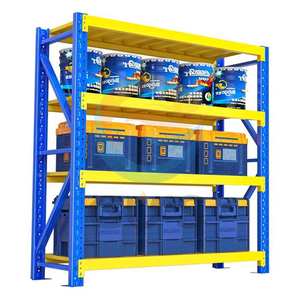
Industrial Storage Architecture: Whitepaper & OEM/ODM Procurement Guide
An authoritative analysis on structural metallurgy, seismic engineering, finite element analysis (FEA), and Total Cost of Ownership (TCO) optimization for high-density warehouse storage systems.
In modern industrial logistics and intra-logistics supply chain management, selecting the appropriate structural racking infrastructure is no longer merely a commodity purchasing decision; it is a critical engineering calculation directly affecting operational throughput, warehouse safety compliance, and long-term asset depreciative yield. As global supply networks transition toward automated intralogistics, high-bay vertical distribution centers, and sub-zero cold chain storage, OEM/ODM industrial rack exporters and wholesalers must deliver unprecedented levels of mechanical structural reliability, modular adaptability, and precision manufacturing tolerances.
The operational longevity of industrial storage installations is dictated by three primary engineering variables: section profile geometry, cold-roll steel metallurgy, and protective surface finishing protocols. OEM/ODM customization requires sophisticated Finite Element Analysis (FEA) modeling to simulate multi-directional stress distributions under maximum static loading, dynamic fork-truck impact force, and regional seismic wave accelerations. By optimizing upright column punching geometries (including standard teardrop, 50mm pitch speedlock, and hex-locking interfaces) alongside cold-formed box and step-beam profiles, engineered load-to-weight ratios are maximized, yielding substantial freight cost reductions for international B2B buyers without sacrificing structural safety margins.
Technical Comparison Matrix: Industrial Storage Structural Profiles
Objective engineering metrics evaluating structural load capacity, spatial efficiency, and seismic resistance factors.
| Storage Racking System | Primary Profile Structure | Max Unit Load / Tier | Space Utilization | Seismic Resistance | OEM/ODM Customization Scope |
|---|---|---|---|---|---|
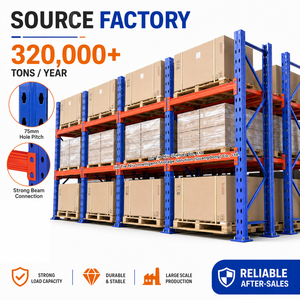
| Selective Pallet Racking | Q235B/Q355B Roll-Formed Box Beam | 1,000 kg – 5,000 kg | 40% – 50% (100% Selectivity) | High (ANSI MH16.1) | Column pitch, footplate thickness, beam length, safety locks |
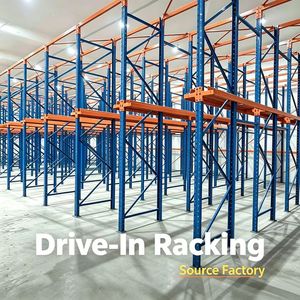
| Drive-In / Drive-Thru Racks | Structural C-Channel / Cantilever Arm | 1,500 kg / Pallet Position | 75% – 85% High Density | Medium-High | Guide rail integration, top/back diagonal bracing schemes |
| Heavy-Duty Cantilever Racks | Hot-Rolled H-Beam / Column Towers | 500 kg – 3,000 kg / Arm | Variable (Long Materials) | Extreme Duty | Arm inclination angle, straight/tapered arms, removable stoppers |
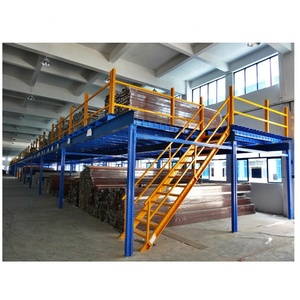
| Mezzanine Platform Systems | Structural Steel I-Beams & Corrugated Deck | 300 kg – 1,500 kg / m² | 200% – 300% (Vertical Expansion) | Custom Engineered | Staircase placement, handrail gates, flooring panel options |
| Medium-Duty Stack Racks | Square Steel Tubing (Q235B) | 500 kg – 1,500 kg / Tier | Flexible / Portable | Standard | Base dimensions, fork sleeve integration, surface powder coat |
Enterprise OEM & ODM Manufacturing Advantages
Why leading global distributors, logistics integrators, and Fortune 500 procurement teams partner with our export manufacturing division.
Precision FEA Stress Modeling
Our in-house structural engineering department conducts Finite Element Analysis to calculate elastic-plastic deformation under extreme loading conditions, ensuring zero catastrophic yield failures.
ISO 9227 Corrosion Resistance
Utilizing automated 9-stage pre-treatment and electrostatic epoxy-polyester powder coating (60-80μm), our racking surfaces resist salt spray corrosion for over 500 hours in demanding environments.
Automated CNC Cold-Roll Profiling
Equipped with 18 continuous cold-rolling production lines, automated robotic welding cells, and laser punching systems to guarantee tight tolerances (±0.5mm) on beam lengths and frame pitches.
Global RMI & FEM Compliance
All OEM manufacturing runs adhere strictly to Rack Manufacturers Institute (RMI MH16.1) standards, Australian Standard AS 4084, and European FEM structural testing mandates for international clearance.
Flat-Pack Modular Logistics
Custom containerization packing logic maximizes cubic meter fill rates in 40ft HQ ocean containers, reducing per-unit transoceanic shipping overhead for bulk wholesalers by up to 22%.
Rapid Technical OEM/ODM Prototyping
From CAD engineering layout drawings to physical sample testing within 7 business days, allowing procurement managers to inspect customized lock connections before full-scale manufacturing runs.
Strategic Procurement Trends in Industrial Storage (2025–2030)
Key macro shifts altering B2B storage rack procurement, automation readiness, and sustainable steel manufacturing.
The global industrial warehouse storage equipment market is undergoing a structural paradigm shift driven by e-commerce velocity, automated storage and retrieval systems (AS/RS), and strict decarbonization mandates across multinational logistics operations. Wholesalers, system integrators, and OEM exporters must align their procurement strategies with four key emerging industry vectors:
2. Low-Carbon "Green Steel" & Circular Lifecycle Sourcing: Global supply chains subject to Carbon Border Adjustment Mechanisms (CBAM) are prioritizing steel fabricators utilizing Electric Arc Furnace (EAF) technology powered by renewable energy. Furthermore, modular racking designs that allow easy expansion, disassembly, and 100% scrap recyclability are gaining decisive procurement preference among corporate ESG compliance boards.
3. Advanced Thermal Expansion Engineering for Cold Chains: With global temperature-controlled food and biopharmaceutical distribution expanding rapidly, storage racking installed in sub-zero freezers (-25°C to -40°C) requires specialized low-temperature carbon steel micro-alloys resistant to hydrogen embrittlement and thermal stress cracking. Hot-dip galvanizing (HDG) conforming to ASTM A123 is replacing standard paint coatings in high-moisture flash-freezing zones.
4. Smart Sensors & Predictive Structural Integrity Monitoring: The integration of IoT strain-gauge sensors and RFID tags directly into main upright columns allows warehouse safety officers to track forklift impact forces and structural fatigue in real-time, shifting maintenance schedules from reactive repair to predictive asset management.
R&D and Product Development Trends in Heavy-Duty Racking
Innovations in cold-formed steel section design, boltless assembly ergonomics, and seismic absorption technology.
Product innovation within our industrial rack engineering laboratory focuses on maximizing structural moment of inertia while paring unnecessary dead weight. Recent structural design breakthroughs implemented across our OEM/ODM product lines include:
Engineers are also reimagining connector pin engagement dynamics. Our proprietary dual-drop locking clips feature automatic spring-loaded visual safety indicators (bright yellow/orange indicators) that pop into place only when the beam connector hook is fully seated in the upright slot. This eliminates human assembly error during fast-paced warehouse installation routines.
In seismic-active zones (such as Pacific Rim fault corridors), conventional rigid floor anchor plates often transfer immense bending moments directly into concrete slab floors, causing floor cracking or anchor pull-out during seismic tremors. Modern OEM engineering incorporates semi-rigid baseplates with rubberized elastomeric dampening shims and slotted anchor holes. This allows controlled micro-flexure, dissipating seismic kinetic energy safely away from the primary steel upright column.
Frequently Asked B2B Procurement Questions
Technical, operational, and commercial answers for logistics directors, procurement agents, and warehouse engineers.
Partner with a World-Class OEM/ODM Storage Rack Manufacturer
Whether you require custom OEM product lines, structural engineering layout assistance, or direct container-load wholesale pricing, our technical engineering team is standing by to support your project.