Engineering-Grade Industrial Racking Systems
Precision-engineered, factory-direct pallet shelving systems customized for ultra-high load capacities, seismic resilience, and cold-chain compliance.
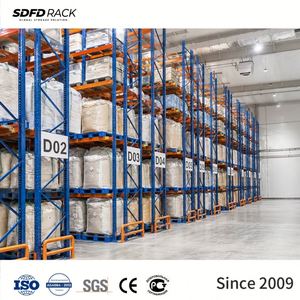
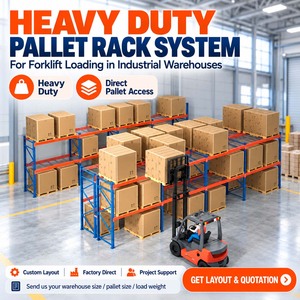
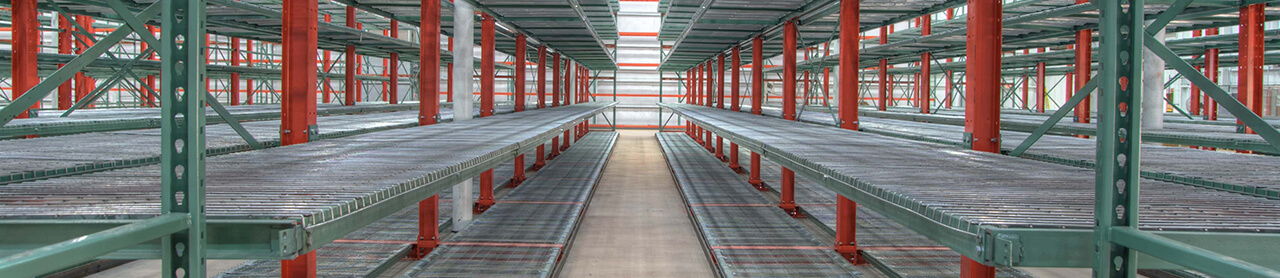
Heavy Duty Pallet Rack System for Forklift Loading in Industrial Warehouses
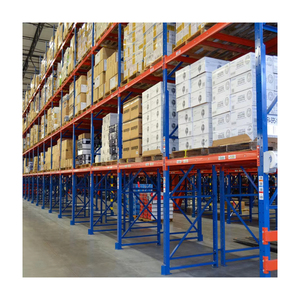
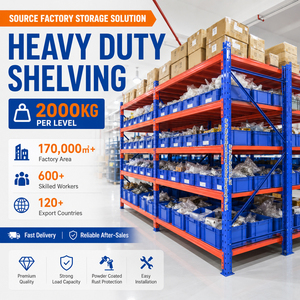
Enterprise Engineering & Procurement Whitepaper: Modern Pallet Racking Ecosystems
In contemporary global supply chain operations, modern industrial warehousing demands far more than basic storage racks. Today’s logistics infrastructures require high-density structural integrity, dynamic seismic tolerance, strict regulatory compliance, and seamless integration with Automated Guided Vehicles (AGVs) and Autonomous Mobile Robots (AMRs). As a globally recognized primary manufacturer and wholesale partner, our warehouse pallet shelving systems are engineered to transform static cubic space into high-yield, safe, and scalable operational capital.
Information Gain Metric: Standard commercial cold-rolled steel racks frequently fail under dynamic forklift impact loads or seismic accelerations above 0.3g. Our heavy-duty structural profiles incorporate cold-formed Q355B high-tensile micro-alloyed steel and hot-rolled structural channels, achieving a safety yield margin exceeding 1.67 times nominal capacity under full dynamic design limits.
1. Technical Specification & Structural Classification Matrix
Selecting the optimal warehouse storage architecture requires an aligned evaluation of unit load weights, handling equipment kinematics, floor slab loading capacities, and warehouse throughput cycles. Below is an engineering overview of our primary structural racking configurations:
| Racking System Architecture | Primary Structural Profile | Load Rating (per Level) | SKU Selectivity vs. Density | Global Safety Standard Compliance |
|---|---|---|---|---|
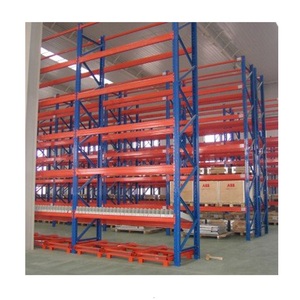
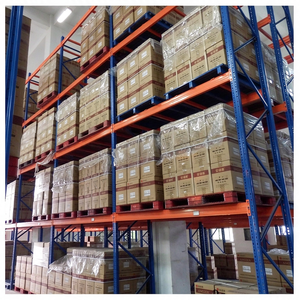
| Selective Pallet Racking | Teardrop / Box Beam (Q235B / Q355B) | 1,000 kg – 4,000 kg | 100% Selectivity / Moderate Density | AS4084-2023, RMI MH16.1, FEM 10.2.02 |
| Structural Heavy-Duty Racking | Hot-Rolled Structural Channel (ASTM A36/C-Channel) | Up to 5,000 kg+ | 100% Selectivity / High Impact Resilience | ANSI MH16.1, AGIES NSE, EN 15512 |
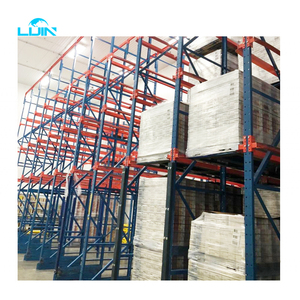
| Drive-In / Drive-Thru Racking | Formed Upright + Heavy-Duty Cantilever Rails | 1,000 kg – 2,500 kg | Low Selectivity / Ultra-High Density (LIFO/FIFO) | AS4084-2023, ISO 9001, CE Certified |
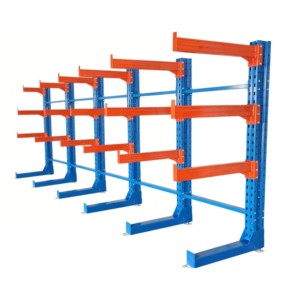
| Heavy-Duty Cantilever Racking | H-Beam Column & Adjustable Arms | 500 kg – 3,000 kg (per arm) | Unobstructed Linear Length Storage | CE Certified, EN 15635, AISC Steel Spec |
| Sub-Zero Cold Storage Racking | Hot-Dip Galvanized / Epoxy Powder Coating | 1,500 kg – 3,500 kg | Custom Selective / High-Density Layouts | ISO 1461 Galvanizing Standard, FEM 10.2.02 |
2. International Compliance: AS4084-2023, RMI, & FEM Standards
Structural reliability in material handling requires total adherence to local and international structural codes. In Australia and New Zealand, standard compliance has shifted to AS4084-2023, which introduces strict testing protocols for beam-to-upright connectors, shear testing, frame sway testing, and torsional stiffness evaluations. Across North America, the Rack Manufacturers Institute (RMI MH16.1) governs cold-formed and structural steel design, mandating rigorous seismic floor anchor design and column baseplate calculations.
Our global engineering department utilizes Finite Element Analysis (FEA) computer simulations to verify structural stability across all load cases, including seismic lateral forces ($S_a$), floor slab deflection, and forklift impact factors. Every upright frame features continuous seam welding, heavy-duty diagonal bracing, and custom heavy gauge baseplates designed to anchor into reinforced concrete slabs with heavy-duty mechanical or chemical anchors.
Future Procurement Trends in Industrial Warehouse Storage (2025–2030)
Procurement directors and supply chain executives must plan material handling investments beyond immediate operational needs. The next decade of industrial storage is defined by rapid automation, stringent sustainability metrics, and dynamic risk mitigation strategies.
AMR / AGV & ASRS Structural Integration
Traditional pallet racking is evolving into hybrid structures designed to interface directly with Autonomous Mobile Robots (AMRs) and Automated Storage and Retrieval Systems (ASRS). Modern procurement mandates tighter structural tolerances (deflection ratios smaller than L/300), integrated sensor brackets, QR-code positioning tracks, and automated top-guide rails.
Low-Carbon Steel & VOC-Free Coatings
Global Fortune 500 enterprises are auditing Scope 3 carbon emissions across their supply chains. Industrial racking procurement now prioritizes zero-VOC electrostatic powder coatings, energy-efficient automated cold-roll forming, and recycled high-grade steel alloys that reduce embodied carbon without compromising tensile strength.
IoT-Enabled Smart Racking Infrastructure
Structural health monitoring is moving from luxury to standard practice. Next-generation pallet shelving systems feature embedded strain-gauge sensors and collision indicators that detect forklift impacts or over-capacity stress in real time, alerting safety managers via cloud dashboards before catastrophic structural failures occur.
Modular & Rapid-Reconfiguration Frameworks
Volatile consumer demand requires modular storage systems. Procurement teams are moving away from fixed non-adjustable racking toward universal teardrop and boltless adjustable beam profiles that allow rapid vertical beam pitch adjustments (in 50mm or 75mm increments) without requiring specialized tools or facility downtime.
Product Development & Material Engineering Advancements
Material engineering lies at the heart of our storage reliability. Standard commercial profiles often use lower-yield steel grades that deform permanently under localized impact. Our engineering teams implement advanced metallurgical and surface-finishing technologies:
Sub-Zero Cold Chain Anti-Corrosion Finishing
Cold storage facilities operating down to -30°C present severe structural challenges due to thermal contraction, moisture condensation, and ice-induced steel embrittlement. Standard paint finishes crack under extreme thermal cycling, allowing moisture to corrode raw steel internally.
Our cold-storage pallet racking utilizes Hot-Dip Galvanizing (HDG) to ISO 1461 standards, providing a zinc coating thickness of 65 to 85 microns. For ambient or controlled-atmosphere warehouses, we utilize a multi-stage automated pre-treatment bath followed by an electrostatic thermosetting epoxy-polyester powder coating (60–90 microns thick), baked at 200°C for maximum scratch, chip, and chemical corrosion resistance.
Beam-to-Column Safety Interlocks
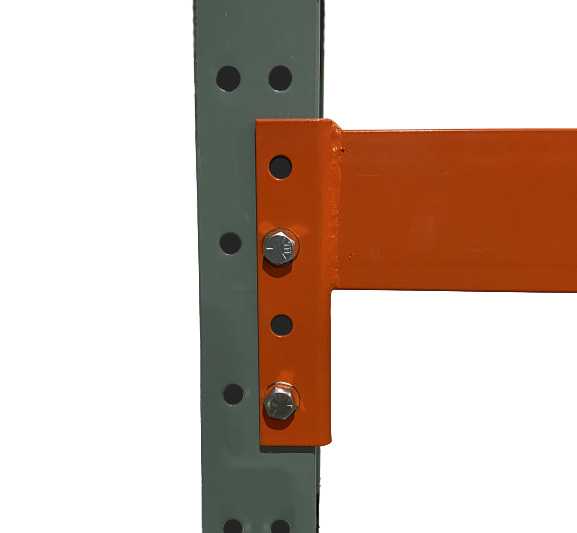
Accidental beam dislodgement caused by forklift mast upward movement is a primary cause of warehouse structural collapse. Our patented heavy-duty beam connectors feature rigid 3, 4, or 5-hook steel connectors paired with high-visibility automatic safety locks (spring-loaded or gravity safety pins). These locking mechanisms resist upwards dislodgement forces exceeding 1,000 kg per beam end without shearing.
Why Enterprise Clients Trust Our Manufacturing Capability (E-E-A-T)
With decades of dedicated material handling leadership, our organization combines manufacturing scale, engineering rigor, and global logistics execution to deliver zero-defect storage infrastructures worldwide.
35+ Years Sourcing & Manufacturing (Since 1989)
Founded in 1989, our business expanded from a localized 3,500 sq ft facility into an international manufacturing force spanning over 530,000 sq ft of production space. Decades of specialized steel fabrication experience guarantee high precision engineering.
Substantial In-Stock Ready Inventory
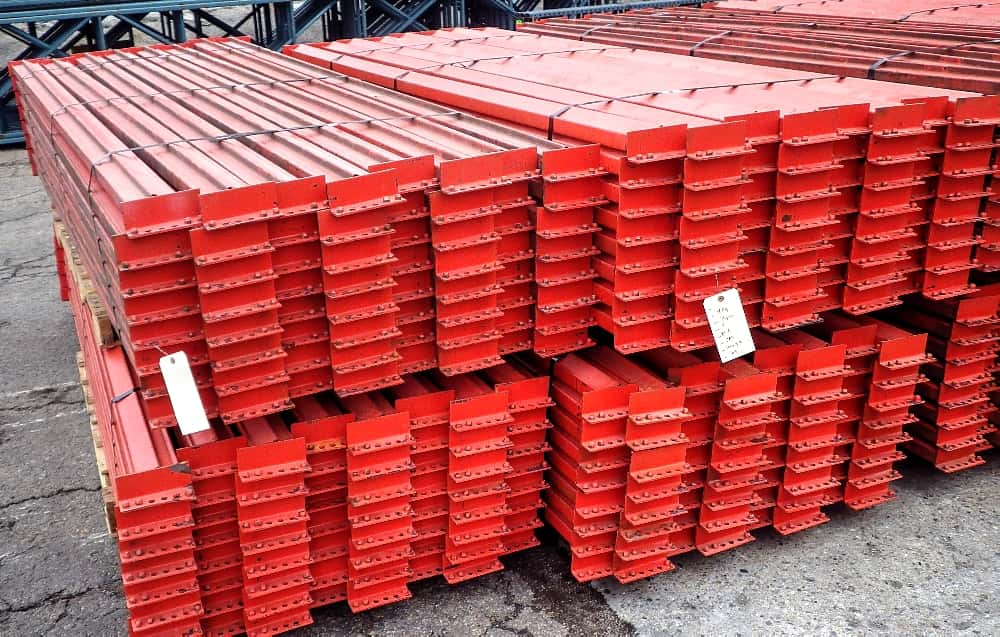
We maintain an inventory reserve of over 100,000 pallet rack step and box beams, alongside 15,000+ upright frames. This immense stock depth allows us to fulfill emergency warehouse expansions and rapid-ship replacement orders within short lead times.
Comprehensive Layout CAD & Engineering Support
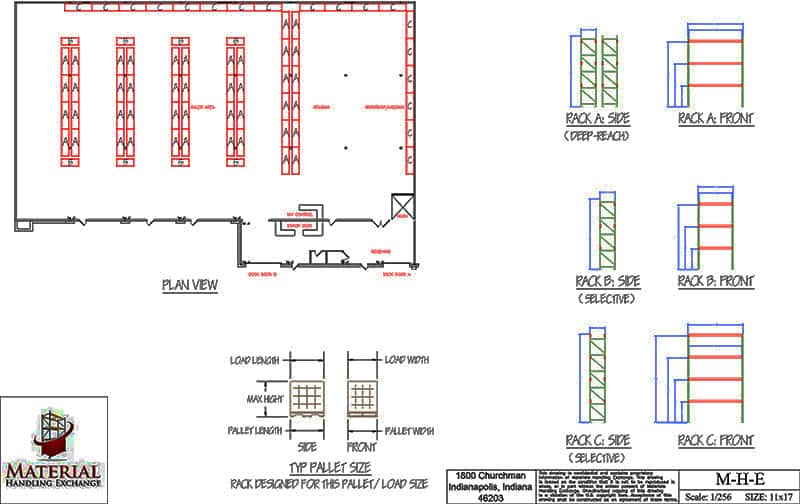
Our in-house structural engineering team provides complimentary warehouse CAD floorplan design, aisle optimization, capacity calculation, and seismic load analysis to maximize space utilization efficiency.
Rigorous Quality Assurance Testing
Every steel coil undergoes raw material tensile yield strength verification. Completed components undergo destructive weld shear testing, coating thickness checks, and beam deflection load testing prior to container dispatch.
Global Port Logistics & Trade Compliance
We manage direct sea-freight container packing, bay-labeled packaging, and customs documentation (DUCA, CAFTA-DR, Form A, Certificate of Origin) for seamless clearance across North America, Latin America, Australia, Europe, and the Middle East.
Full Lifecycle Buyback & Trade-In Programs
When enterprise clients upgrade, relocate, or consolidate logistics facilities, we provide certified rack dismantling, asset evaluation, and trade-in allowances or complete buyouts for undamaged used racking systems.